Réduire ses groupements à 25 m : la méthode en 6 semaines
Un programme structuré issu des progressions réelles de la communauté : tir à sec, appels de détente, et le piège du « toujours plus de cartouches ».
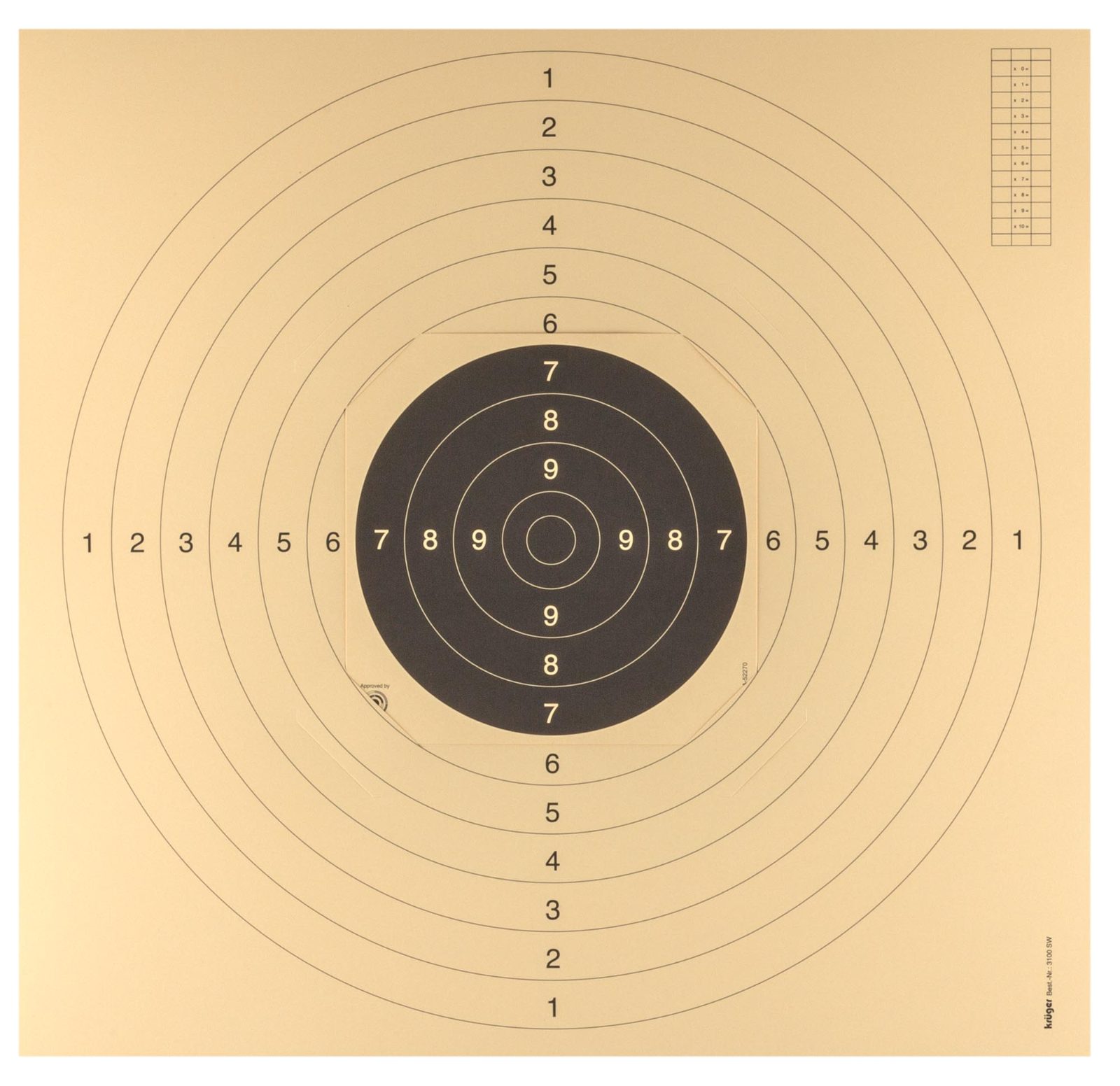
Tirer plus ne fait pas tirer mieux. Les courbes de progression de milliers de membres montrent un schéma clair : ceux qui progressent le plus vite tirent moins de cartouches, mais mieux structurées. Voici le programme type qui ressort de leurs données.
Semaines 1-2 : le tir à sec comme fondation
Dix minutes par jour, arme vérifiée vide : montée, visée, lâcher sans que le point rouge ne quitte la zone. C'est ingrat et c'est décisif, chez un tireur intermédiaire, l'essentiel de la dispersion vient du lâcher. Une pièce posée sur la glissière qui ne tombe pas au clic est le test de référence.
Semaines 3-4 : des séances courtes et comptées
50 cartouches maximum, chaque coup annoncé avant impact : « je l'ai senti partir à gauche » doit précéder la lunette d'observation. Notez chaque groupement, la mesure objective est le seul antidote à l'impression de stagner.
Semaines 5-6 : la contrainte du temps
Introduisez un chrono : 5 coups en 20 secondes, puis 15, puis 10. La précision sous contrainte légère consolide les acquis et révèle les défauts que le tir lent masque. À l'issue des six semaines, re-mesurez dans les mêmes conditions qu'au départ : la moyenne communautaire est une réduction de 25 % du groupement.
Armory suit chaque coup, chaque entretien et chaque pièce d'usure. 100% gratuit.